Teoti Huacan Tours


See one of Mexico’s most sacred pilgrimage sites

The Guadalupe Shrine, also known as the Basilica of Our Lady of Guadalupe, is one of the most visited Catholic sites in the world. Pilgrims come here to see the image of the Virgin Mary said to have appeared to Saint Juan Diego in 1531.

How to access the Guadalupe Shrine

  • The Guadalupe Shrine sits about 30 minutes north of central Mexico City and is often visited as part of full-day Teotihuacán tours. You’ll find it in the Villa de Guadalupe district, at the foot of Tepeyac Hill.
  • Access to the shrine is not automatically included in standard Teotihuacán entry tickets. You’ll need to book a combo tour that includes both Teotihuacán and the Basilica of Guadalupe, these usually start and end in Mexico City, with transport and a bilingual guide.
  • Entry to the shrine is free, but guided tours or combo tickets add context and comfort through transportation, explanations, and optional mezcal or tequila tastings along the way.

Why visit the Guadalupe Shrine?

The Basilica of Our Lady of Guadalupe is far more than a stop on your Teotihuacán tour, it’s one of the world’s most powerful symbols of faith and Mexican identity. Whether you’re religious or not, it’s a place that moves everyone who walks through it. Here’s why you shouldn’t skip it:

Things to know before booking Guadalupe Shrine tickets

  • Not every Teotihuacán ticket includes entry or time at the Guadalupe Shrine. You’ll need to choose a tour that lists the Basilica or Shrine stop in the itinerary.
  • Tickets that include shrine access, like Teotihuacán, Guadalupe Shrine & Tlatelolco full-day tour and Hot air balloon ride with Basilica visit usually combine it with Tlatelolco and Teotihuacán, giving you a complete look at Mexico’s pre-Hispanic and colonial heritage.
  • As the shrine is an active place of worship, modest clothing is required. Sleeveless tops and short shorts are discouraged. Photography is allowed, but flash use and loud commentary are not.
  • Visiting hours are generally from 6am to 8pm, though mass times can affect entry to the inner chapel. During festivals like December 12 (Feast of Our Lady of Guadalupe), expect large crowds and limited access to the altar area.

Your Guadalupe Shrine ticket types explained

TypeTransport IncludedAccess to ShrineWhat You’ll LoveKeep in Mind
Full-day tour

✔️ Shared round-trip transport from Mexico City

✅ Guided entry to all three sites

One seamless day covering ancient ruins, colonial churches, and sacred shrines

Early start (7–8am); group tour pacing

Hot air balloon ride

✔️ Shared van from central pickup points

✅ Visit to the shrine after balloon landing

Sunrise flight, sparkling wine toast, and a spiritual finish at the Basilica

Requires 5am pickup; weather-dependent flight

What to see inside the Guadalupe Shrine
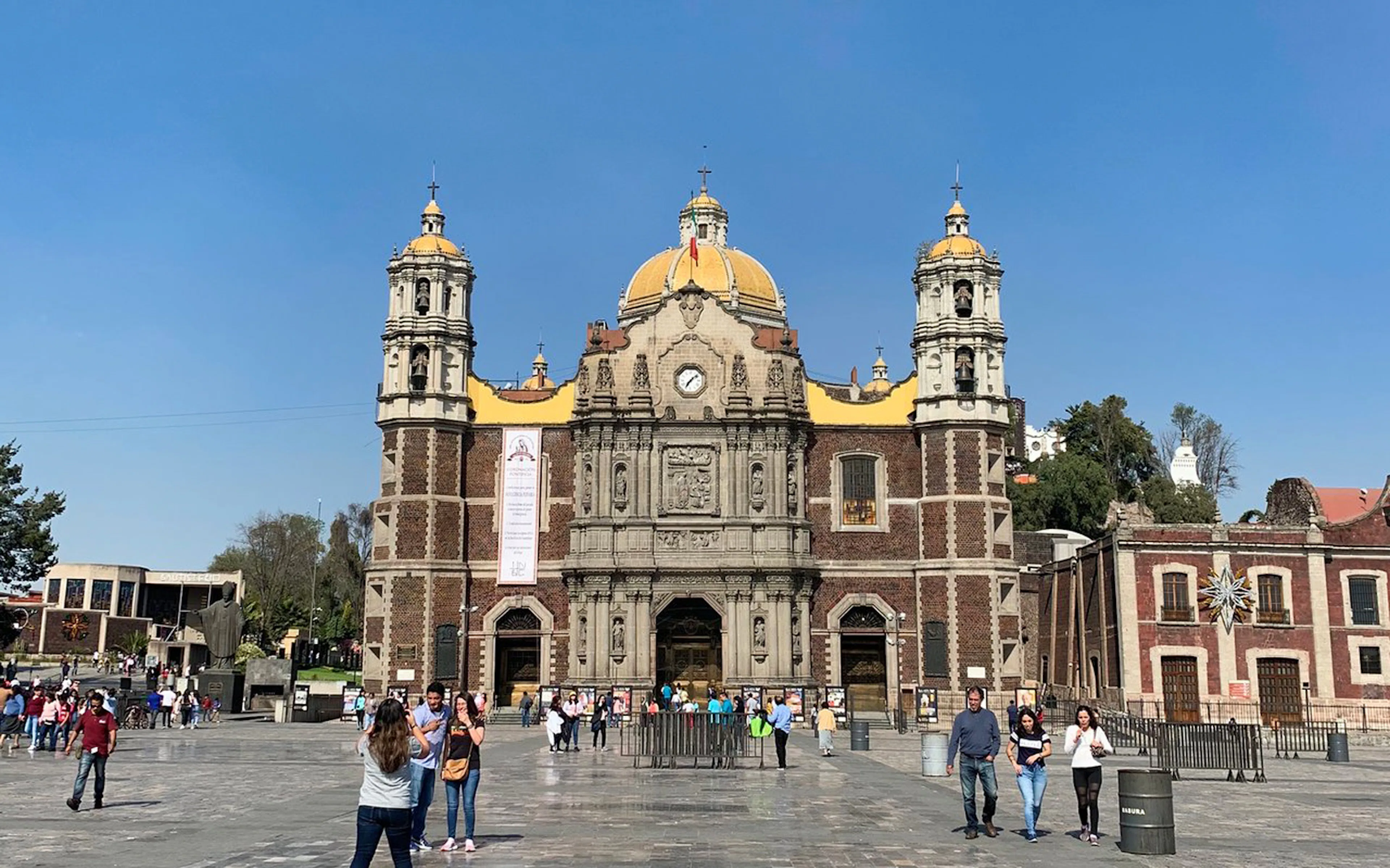
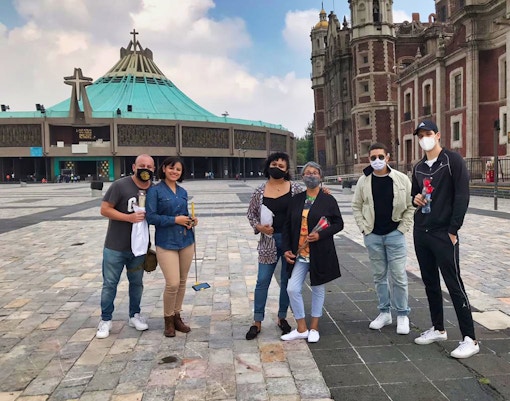
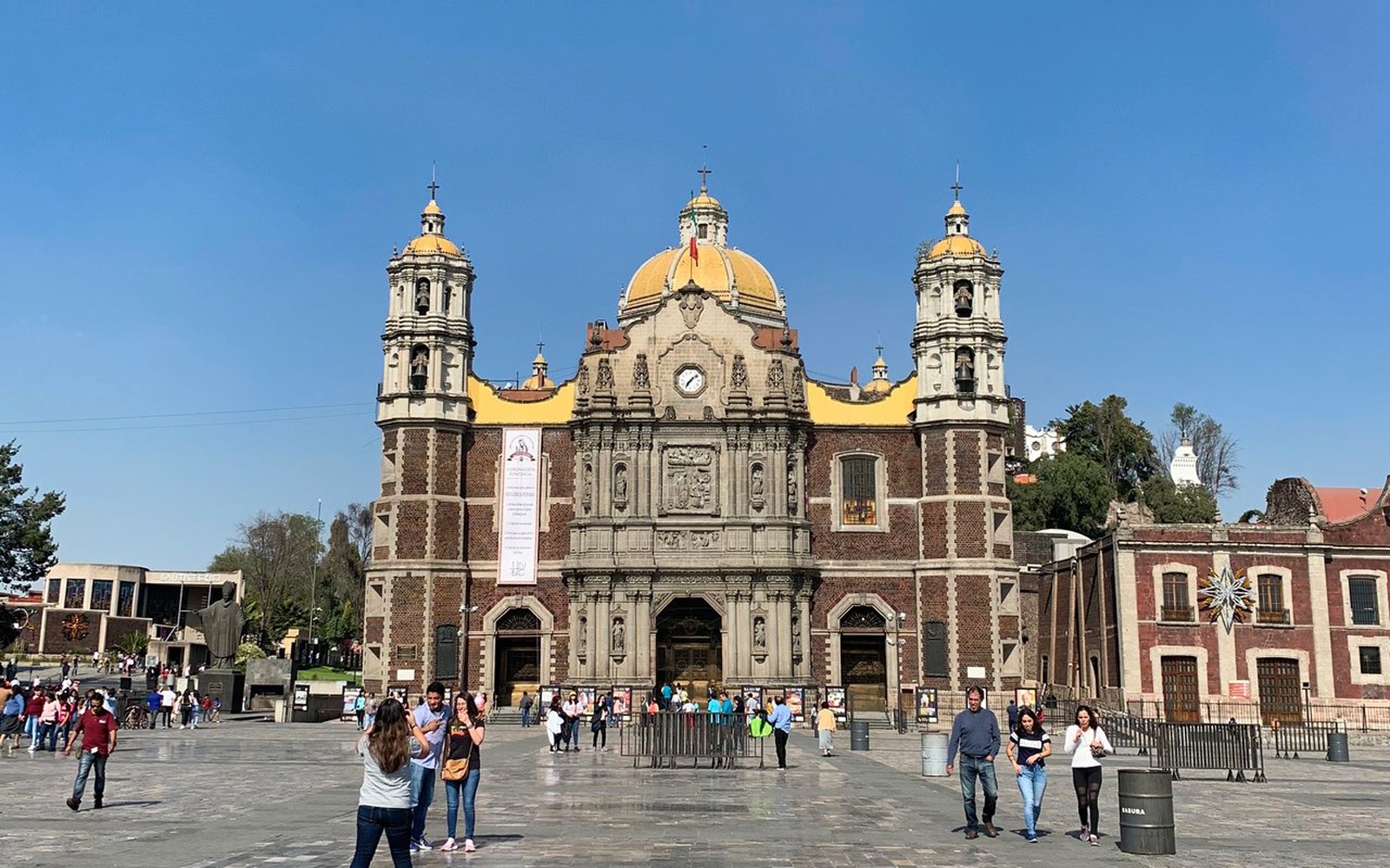
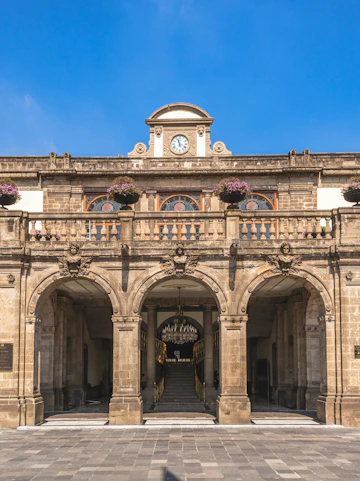
Teotihuacan and Guadalupe Shrine tour, featuring the Basilica of Our Lady of Guadalupe in Mexico City.
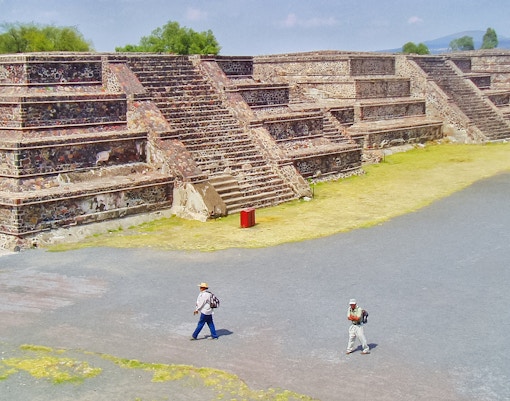
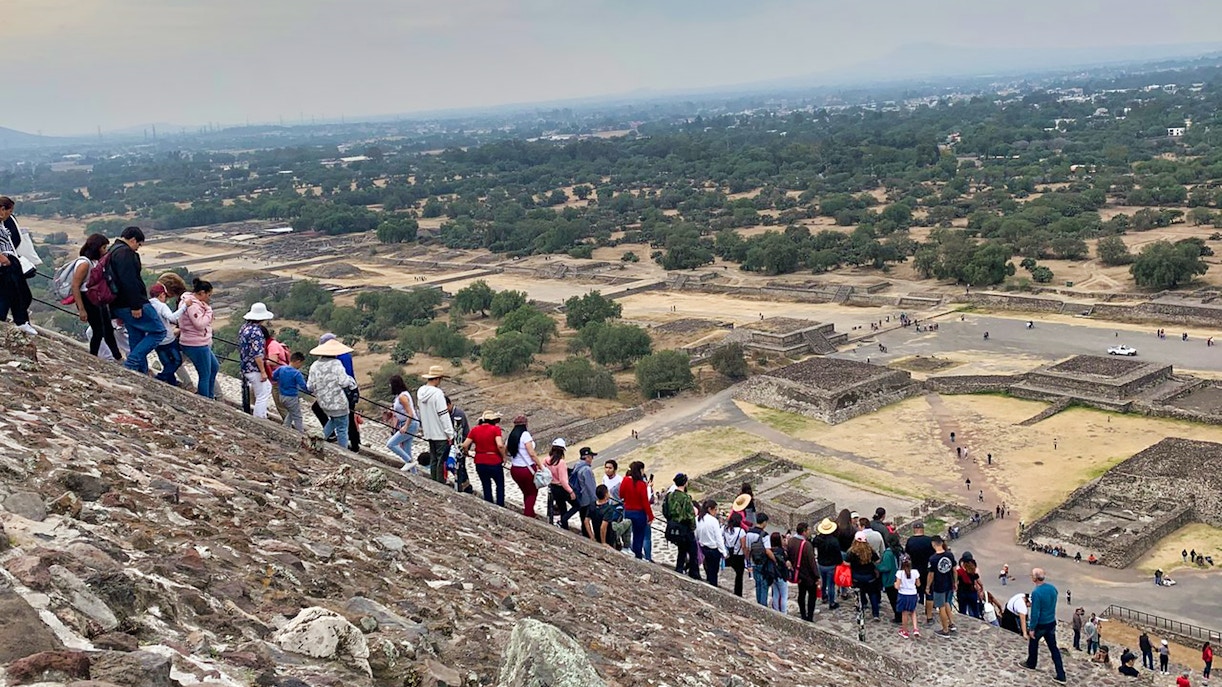
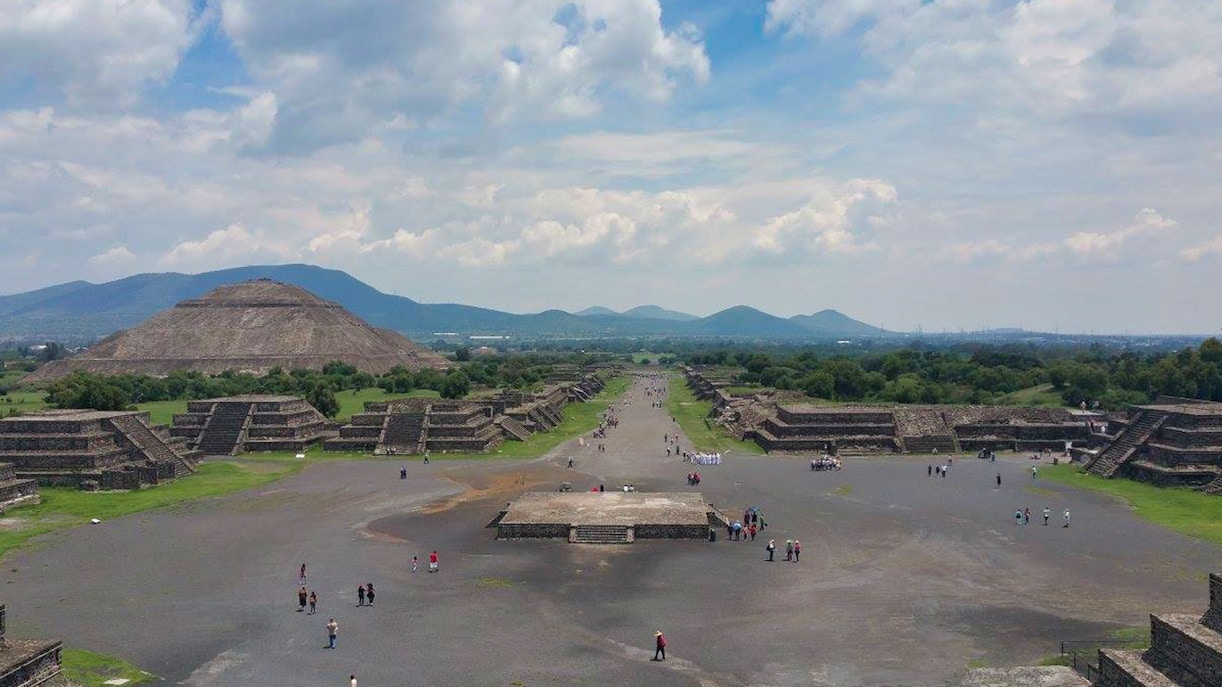
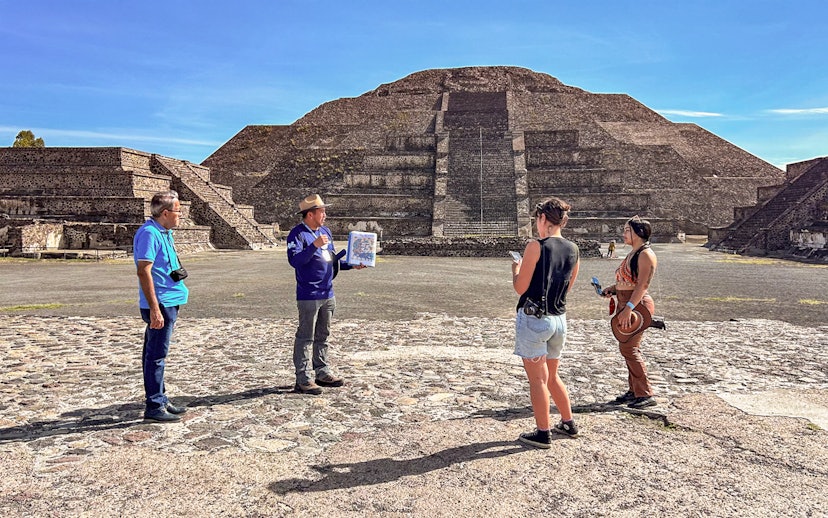
Teotihuacan pyramids with tourists exploring, Tlatelolco ruins, and Guadalupe Shrine in Mexico City tour.
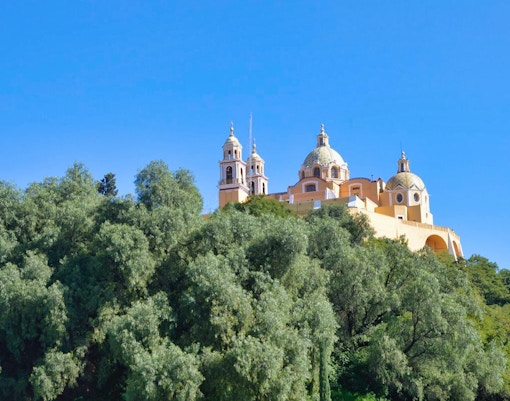
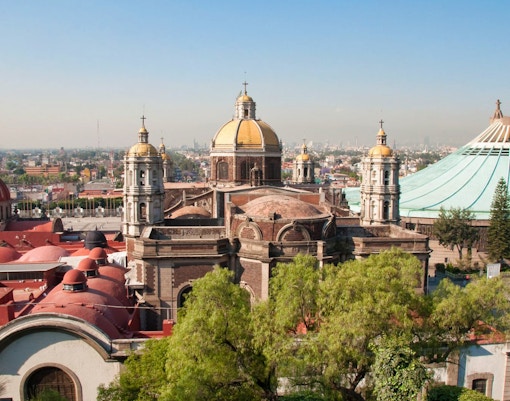
Teotihuacan tour view of the Guadalupe Shrine atop a hill with clear blue sky.
Teotihuacan pyramids with tourists, Tlatelolco ruins, Guadalupe Shrine, tequila tasting tour, Mexico City.
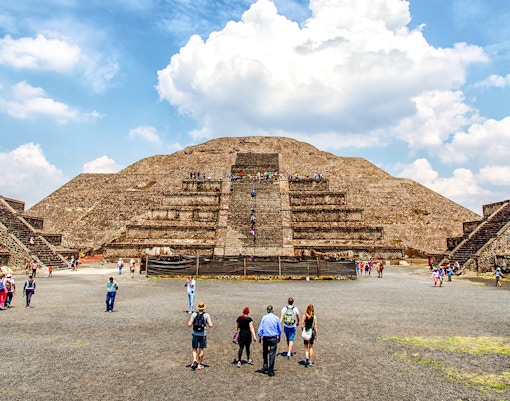
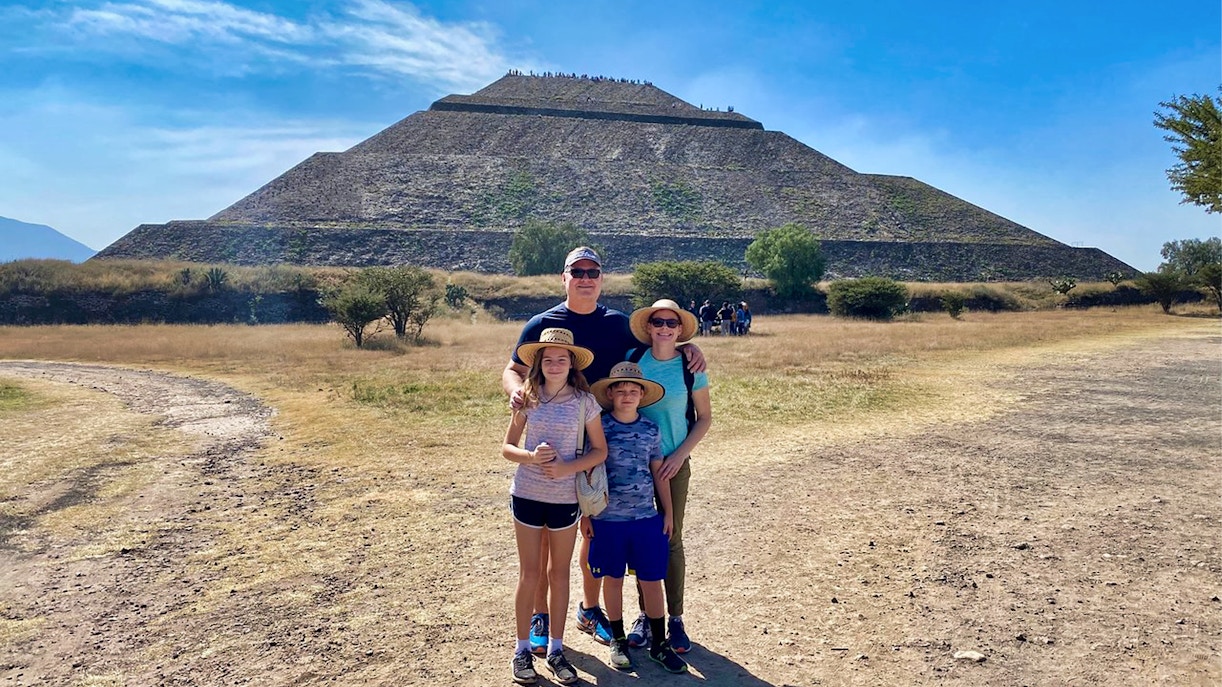
Teotihuacan pyramids with Pyramid of the Sun in the background, Mexico.
1/5

Basilica of Our Lady of Guadalupe

This is the main modern basilica where Juan Diego’s cloak is kept behind bulletproof glass above the altar. It can accommodate over 10,000 worshippers and has a moving walkway for pilgrims to view the image.

The Old Basilica (Templo Expiatorio)

Located just beside the modern church, this 18th-century structure leans due to sinking soil but still stands as a preserved relic. It’s sometimes used for special services.

Capilla del Cerrito (Chapel on the Hill)

Built at the top of Tepeyac Hill, where the Virgin is said to have appeared. The walk up is steep but worth it for panoramic views and quiet reflection.

Capilla de las Rosas

A smaller chapel that commemorates the miracle of the roses, the moment when the Virgin gave Juan Diego roses as proof for the bishop.

Religious Art & Pilgrim Murals

Inside and around the shrine, you’ll find detailed mosaics, Marian murals, and religious sculptures that narrate the entire story of the Virgin’s appearance.

Architectural highlights of the Guadalupe Shrine

Placeholder Image Headout Blimp

The Rotating Basilica
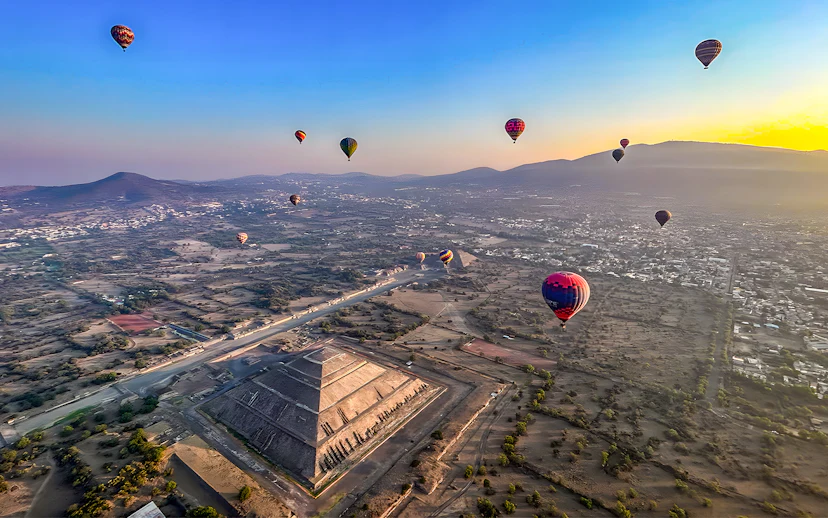
The modern basilica was designed by Pedro Ramírez Vázquez in 1974. Its circular form ensures that all attendees can see the altar. The roof structure resembles a tent, symbolizing spiritual shelter.

Placeholder Image Headout Blimp

Historical and cultural significance of the Guadalupe Shrine

The shrine is Mexico’s most important Catholic symbol. Built on a former Aztec temple site, it represents a powerful mix of indigenous and Spanish beliefs. The Virgin of Guadalupe became a symbol of Mexican identity, resistance, and faith, especially during the independence movement. Today, it remains a vital spiritual, cultural, and national icon.

Read more on Teotihuacán & Shrine history

Know before you visit Guadalupe Shrine

Frequently asked questions about Guadalupe Shrine tickets

No, it is in northern Mexico City, often visited before or after Teotihuacán on full-day tours.